Grounded in science. Focused on results.
Therapy designed to change patterns
I work with adults and couples by identifying the emotional and relational patterns that keep problems repeating. Rather than staying at the level of insight alone, therapy is active and structured, with attention to what actually shifts behavior, emotional responses, and connection over time.
The work is guided by ongoing feedback, so sessions stay focused and responsive as change begins to take hold in everyday life.
Why this approach works
When insight alone isn’t enough
Professional Background
Shaped by leaders in the field
Advanced Training and Leadership:
Mentored by Jeffrey Young; co-developer of Schema Therapy for Couples
Advanced training and close clinical collaboration with Sue Johnson in Emotionally Focused Therapy
Certified in Schema Therapy, Emotionally Focused Therapy, and the Gottman Method
Honorary Lifetime Member, International Society of Schema Therapy
Author and contributor to leading clinical texts in psychotherapy

Jeffrey Young, PhD
Founder of Schema Therapy
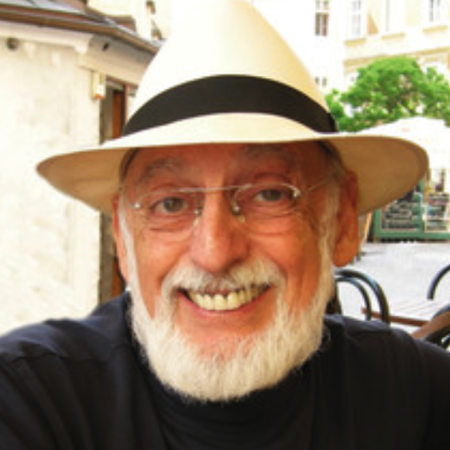
John Gottman, PhD
Founder of Gottman Method Couples Therapy
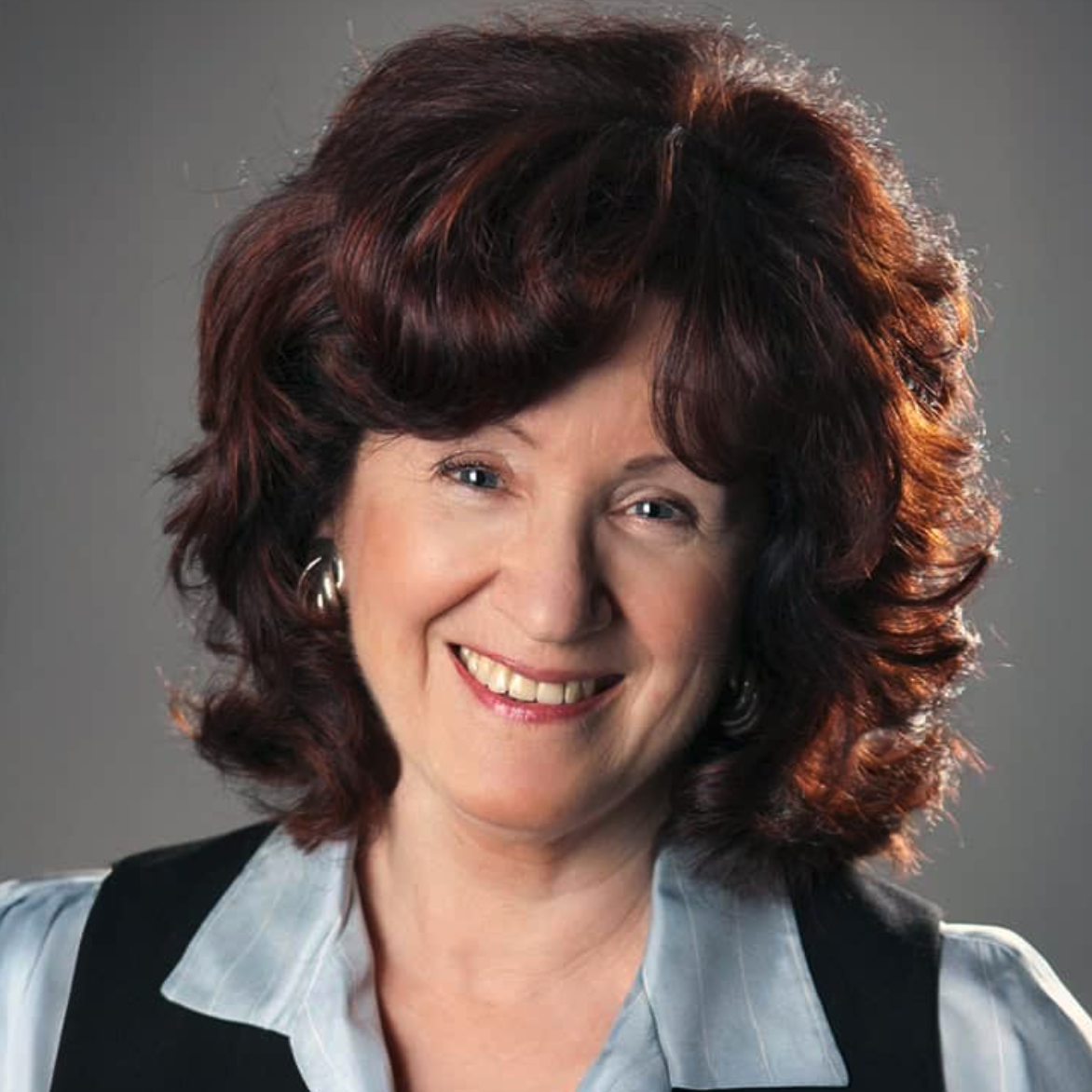
Sue Johnson, EdD
Founder of Emotionally Focused Therapy

Daniel Siegel, MD
Founder of Mindsight (Interpersonal Neurobiology)
Common questions, clear answers
Frequently asked questions
01 Do I need to know which type of therapy I want before starting?
No. Most people come in precisely because choosing a model has not solved the problem. My role is to understand what is actually happening beneath the surface and decide how to work with it. You do not need to speak the language of therapy or know which approach fits. That decision is part of the work.
02 Is this a good fit if I have already tried therapy and felt stuck?
Often, yes. Many people I work with are thoughtful, motivated, and reflective, yet feel they have been going in circles. In most cases, the issue is not lack of effort or insight, but that therapy never fully addressed the patterns keeping the problem in place. This work is designed to identify those patterns and engage them directly, so progress feels real rather than conceptual.
03 What does a typical session feel like?
Sessions are focused, conversational, and grounded. We pay attention to what is happening emotionally and relationally, while also keeping an eye on direction and movement. Therapy here is not a free-floating conversation, but it is not rigid either. There is space to think, feel, and reflect, with a shared sense of what we are working toward.
04 How structured is the work?
There is structure, but it serves the work rather than controlling it. We establish goals, notice what is shifting, and adjust as needed. If something is not helping, we do not keep doing it out of habit. The aim is for therapy to stay useful and connected to daily life, not to become an abstract process.
05 Do you work with individuals as well as couples?
Yes. I work with adults individually, with couples, and in group settings. While the format changes, the core focus remains the same: understanding patterns, choosing interventions thoughtfully, and helping change take hold in real life.
06 Who do you work best with?
Many of the people I work with are thoughtful, capable adults and couples who have already tried therapy and still feel stuck. They often understand their challenges intellectually but notice that the same emotional or relational patterns keep showing up anyway.
This work is a good fit for people who want therapy to be focused, substantive, and oriented toward real change rather than ongoing exploration alone.
07 What makes your approach different from most therapists?
Most therapists work primarily from one model. I don’t. My work integrates several evidence-based approaches and is guided by clinical judgment rather than a fixed formula.
That means sessions adapt as the work unfolds. At times the focus is emotional experience. At other times it is long-standing patterns, behavior, or interaction. The aim is always the same: helping change show up where it matters, not just making sense of what is happening.
08 I’ve already tried CBT, EFT, or another evidence-based therapy. How is this different?
Each of those approaches can be effective, and many of my clients have benefited from them to a point. The difficulty is that no single method addresses every layer of emotional and relational difficulty.
Progress often depends less on the model itself and more on how interventions are chosen and timed. This work pays close attention to what is actually shifting and adjusts accordingly, rather than repeating the same approach when momentum stalls.
09 How do I know if I’m a good fit to work with you?
Fit matters. Some people are drawn to a therapist’s depth of training. Others value having someone who can think flexibly and guide the work with clarity.
If you are looking for therapy that is active, collaborative, and grounded in evidence, and you want change that carries into daily life, this approach is often a good match.
10 Are sessions in person or online?
All sessions are conducted online using a secure, HIPAA-compliant platform.
Working this way allows therapy to remain consistent and accessible while staying closely connected to everyday life. Many clients find that it supports momentum rather than disrupting it.
11 Who can you work with legally?
I work with adults who are physically located in New York or Vermont at the time of their session. You do not need to reside in either state permanently. For example, sessions can take place while you are in New York or Vermont for work.
Licensure in additional states, including Florida, New Jersey, Connecticut, and Texas is in progress.
For couples therapy, licensing requirements can vary. In many cases, at least one partner must be physically located in a state where I am licensed at the time of the session. If you have questions about your specific situation, I’m happy to clarify before scheduling.
12 Are you in-network with insurance panels?
I am not in-network with insurance panels. I work as an out-of-network provider so the work can remain clinically focused rather than shaped by insurance restrictions.
Clients receive a superbill after each session that can be submitted to their insurance carrier. Depending on the plan, many policies reimburse a significant portion of the fee.
Working this way allows therapy to stay focused on what is most effective rather than what is easiest to authorize.
13 How long does therapy usually take?
The timeline depends on your situation, the goals we set together, and the type of therapy involved. There is no single answer that fits everyone.
From the outset, the work is structured and focused. We begin with a thorough assessment and a clear goal-setting process so therapy has direction rather than drifting. As the work progresses, the approach remains flexible and responsive, adjusting as needs change and progress unfolds.
Individual, couples, and group therapy each have different rhythms and timeframes. Some people begin to notice meaningful shifts within the first several months, while others choose to continue longer when working with more complex or long-standing patterns.
Throughout the process, we regularly review progress and recalibrate as needed. The aim is purposeful, effective work that respects your time and keeps therapy moving forward rather than becoming open-ended.
Start focused. Move forward with clarity.
Work with an experienced clinician and engage in therapy that is focused, evidence-based, and designed to support meaningful, lasting change.